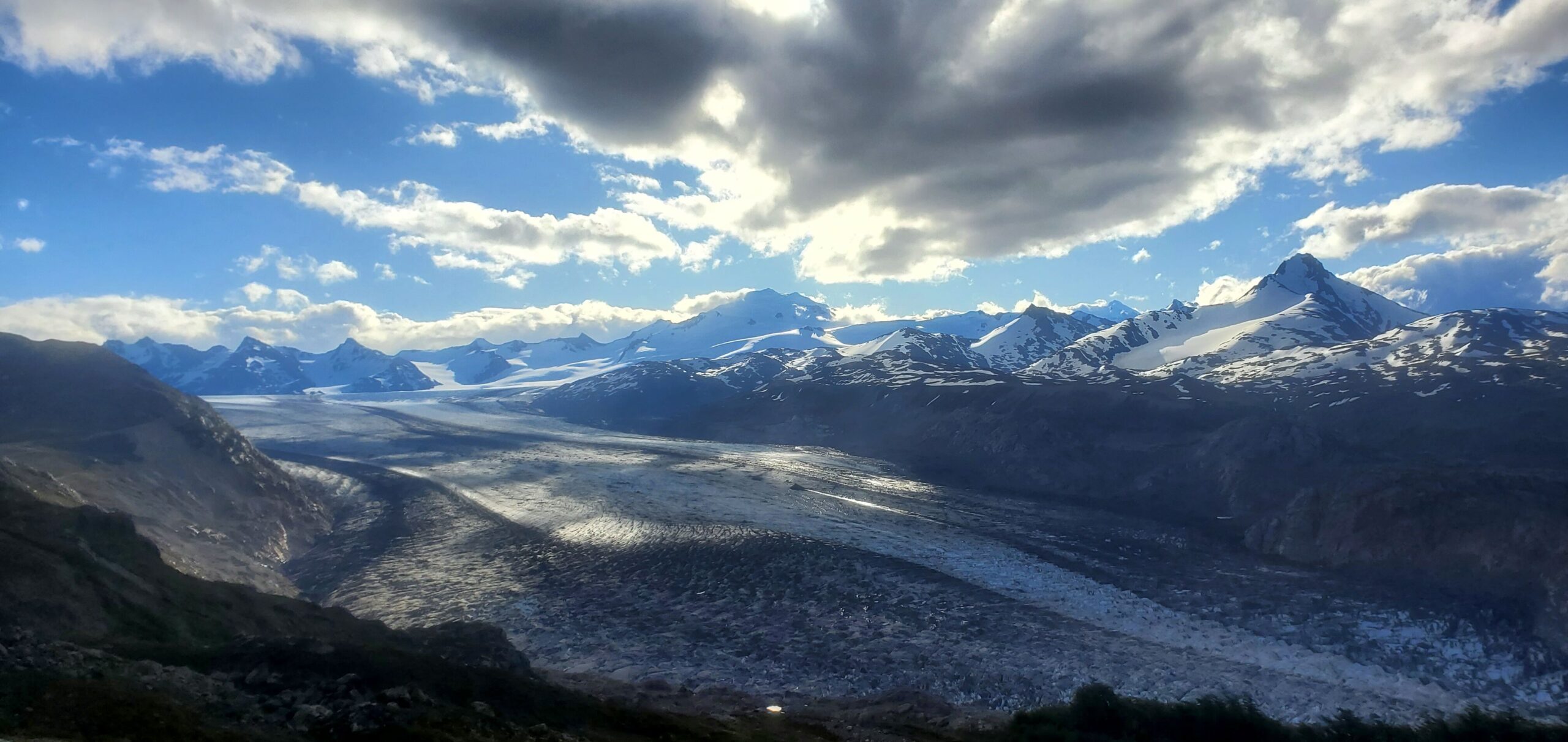
The Secret Treasure of Patagonia
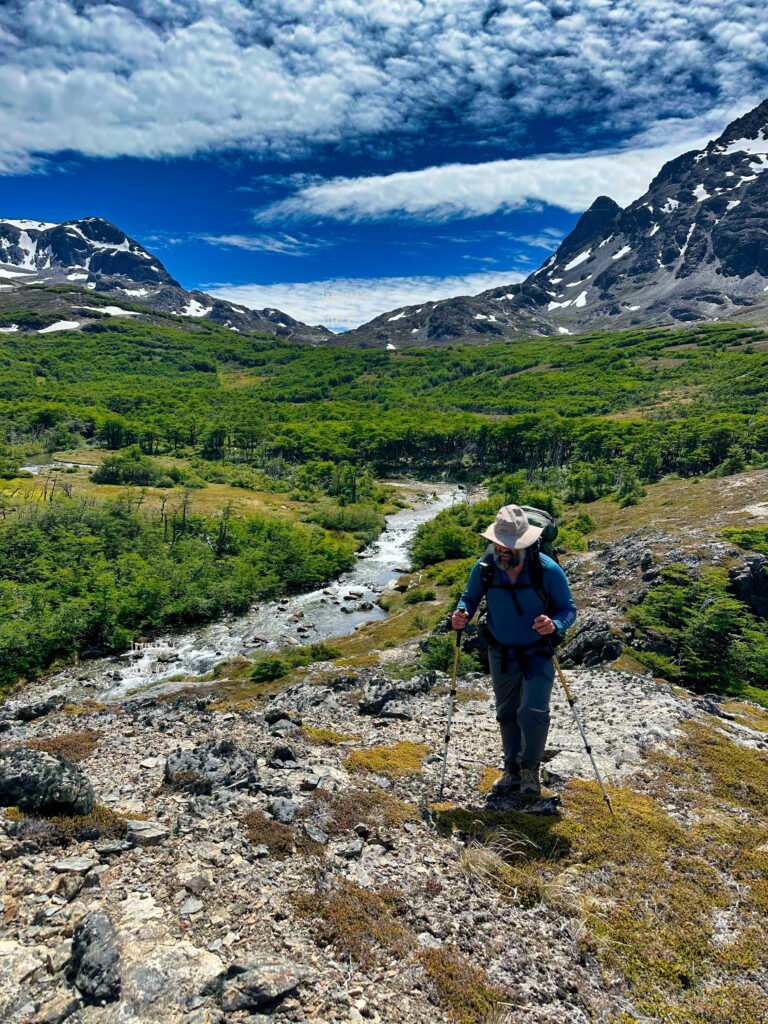
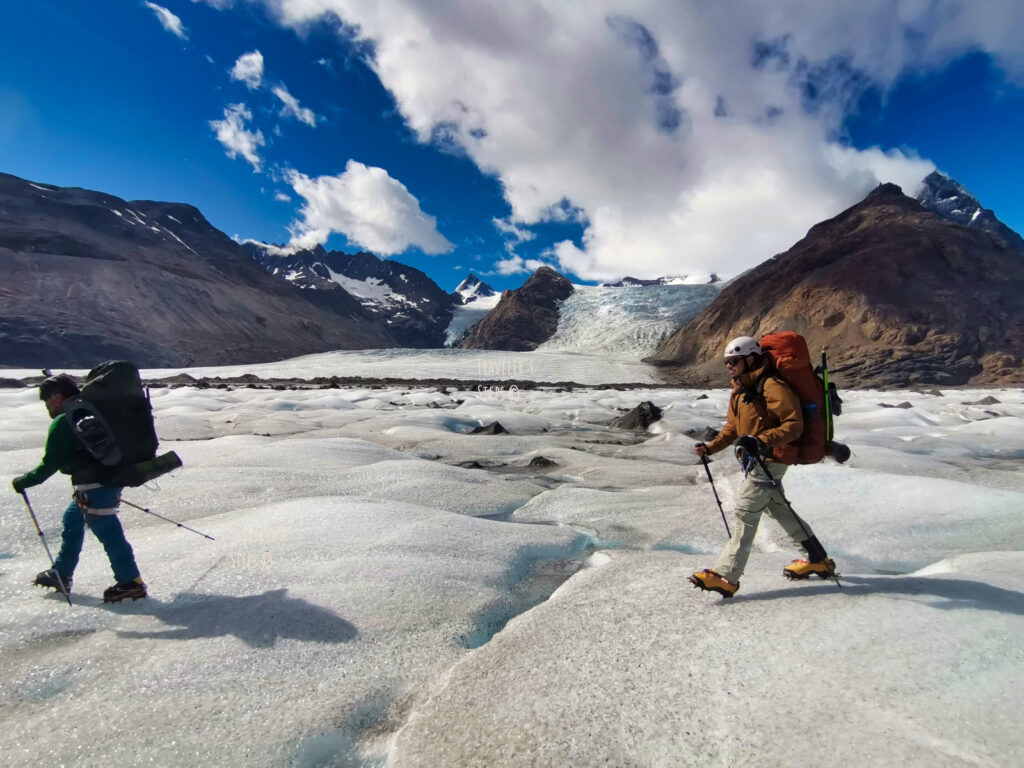
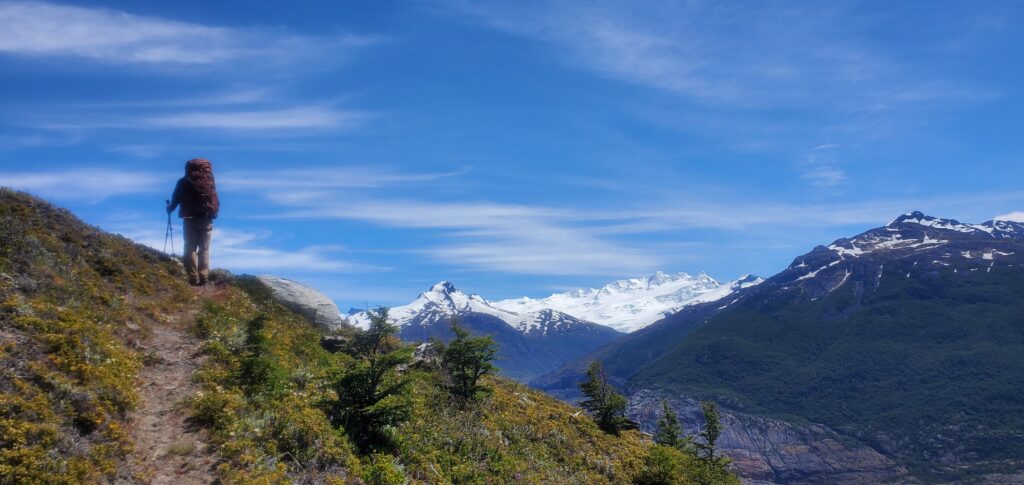
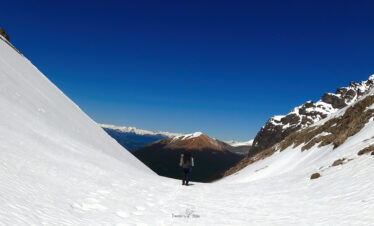
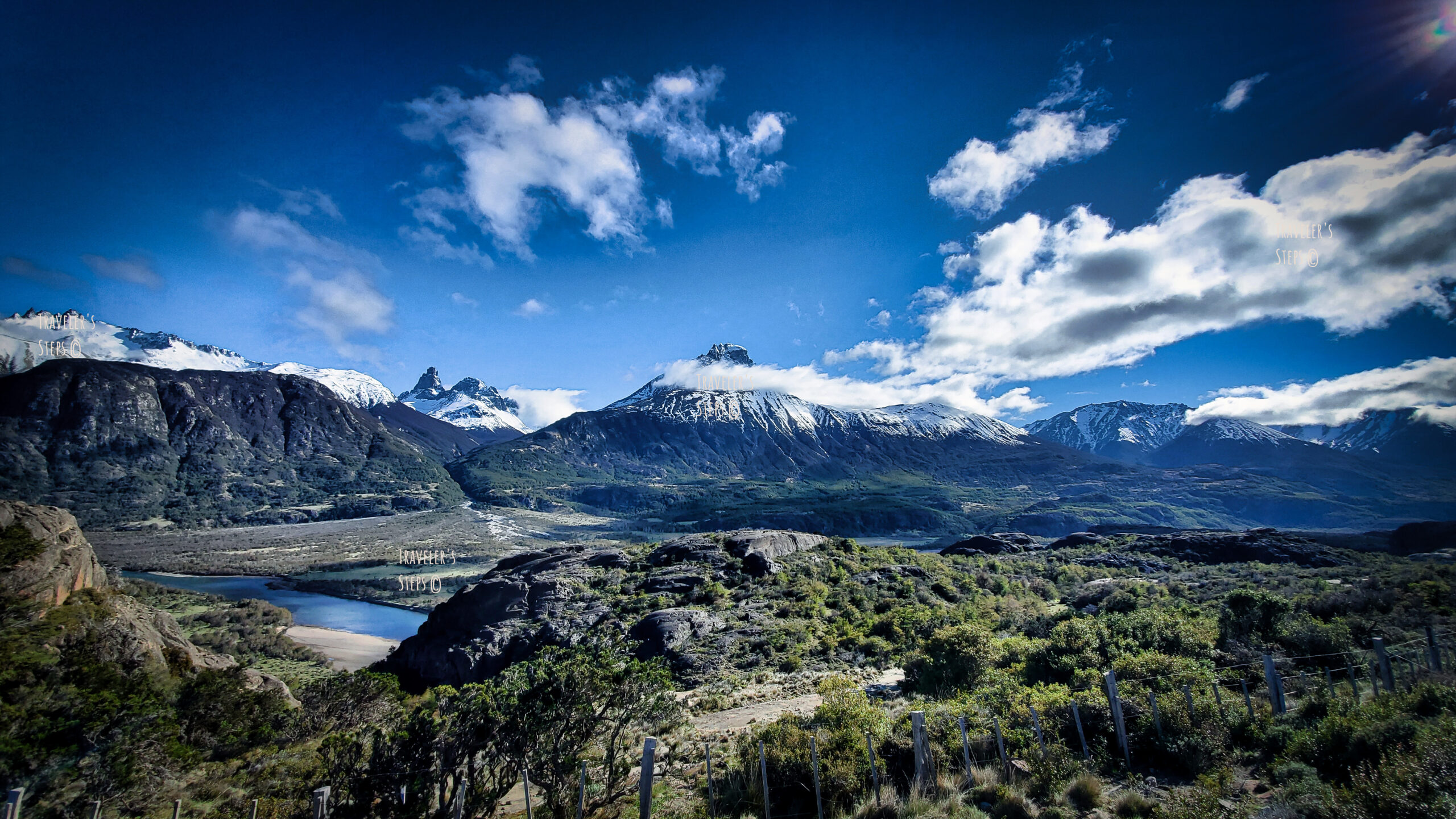
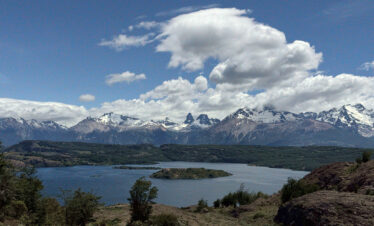
For many, Patagonia evokes an image of wildlife, nature, and the freedom that comes with the figure of the gaucho. Located on the southern tip of the continent, the region offers endless possibilities to explore the beauty and simplicity of our natural world. In this land of mysteries, lies one of its most iconic treasures, Ice Fields. The southern Patagonian ice field is a large expanse of continental ice, located in the Patagonian Andes, on the border between Argentina and Chile, extending for more than 350 km along the Andes mountain range.
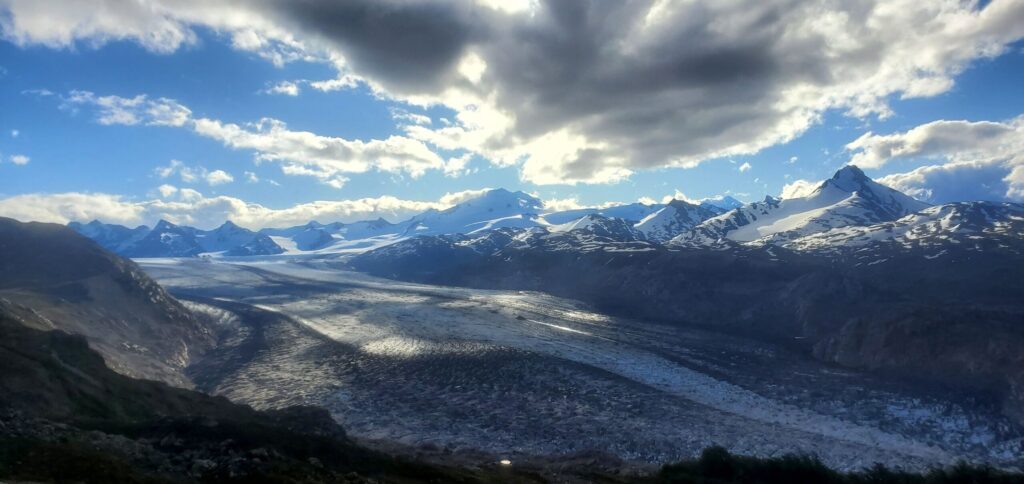
The Southern Ice Fields, a vast ocean of millennia-old ice in the heart of Patagonia, is much more than just a towering landscape. With about 13,000 square kilometers of interconnected glaciers, it is the second largest non-polar ice sheet on the planet, after Greenland.
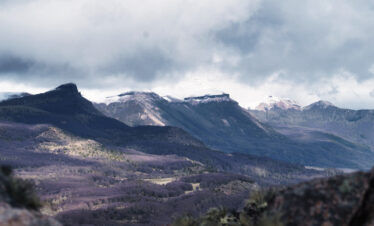
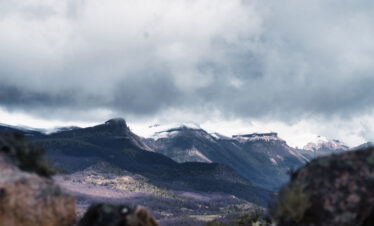
During the last glaciation, more than 20,000 years ago, ice shaped fjords, lakes and mountains, shaping the majestic Patagonian landscape. Here, eternal winds and relentless rains work alongside the ice to tell stories of transformation and resilience.
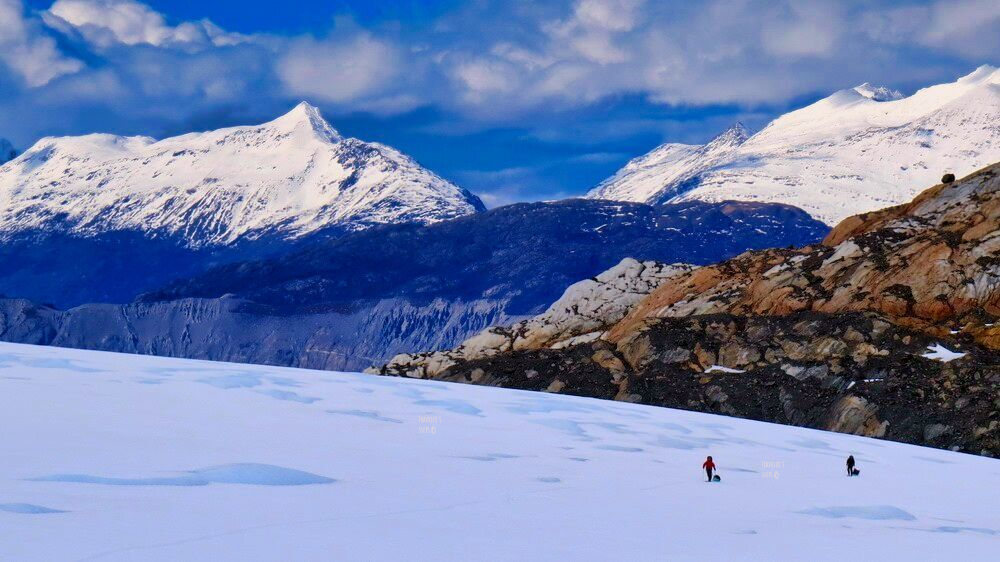
This natural colossus also bears witness to human feats. From the explorations of cartographers such as Alberto de Agostini to modern incursions, every step on the ice reflects perseverance. Indigenous cultures also left their mark here, living on the edge of this icy realm.
Today, the Southern Ice Fields face the impact of climate change. Its glaciers, which have been keepers of secrets for centuries, are receding alarmingly, raising questions about their future and humanity's role in preserving it.
Experience Highlights
- Breathtaking glacial landscape: The Southern Ice Fields are a vast expanse of interconnected glaciers that offer a unique and majestic visual spectacle.
- Millennial history: Its formation is a testimony of the geological processes that have shaped Patagonia for thousands of years.
- Legendary explorations: The site has been the scene of iconic expeditions, from early cartographic explorations to contemporary scientific research.
- Unique biodiversity: The area is home to a rich variety of fauna and flora adapted to this extreme environment, such as the huemul, the emblem of Chile.
- Indigenous cultural richness: The traditions of the native peoples who live near this frozen kingdom bring a unique cultural dimension to the area.
- Visible climate impact: Glacial tongues reflect the effects of climate change, making the visit an eye-opening and educational experience.
- Endless beauty of sky and earth: From the sun's reflections on the ice to the starry views on clear nights, this destination is a setting to contemplate the connection between nature and the cosmos. A place where time slows and the vastness of nature speaks, offering a truly unforgettable experience.