A journey across the valleys and peaks of Cerro Castillo National Park.
Exploration Overview:
Región Parque Nacional Cerro Castillo, Patagonia Aysén.
Estilo Travesía de montaña punto a punto. (Cruce completo del circuito Las Horquetas)
Terreno Valles montañosos, pasos alpinos, bosques y paisajes abiertos de la Patagonia.
Nivel Físico Medio. Diseñado para viajeros cómodos con caminatas sostenidas y terreno variable. Las rutas diarias se adaptan a las condiciones del grupo y del clima.
Nivel Técnico Medio. Experiencia en terreno glaciar, rocoso, bosques. Capacidad de adapción a terreno irregular en trekking de varios días y de larga duración.
Enfoque Lectura del paisaje. Enfocados en la exploración compartida, el aprendizaje y la presencia.
Experience Highlights
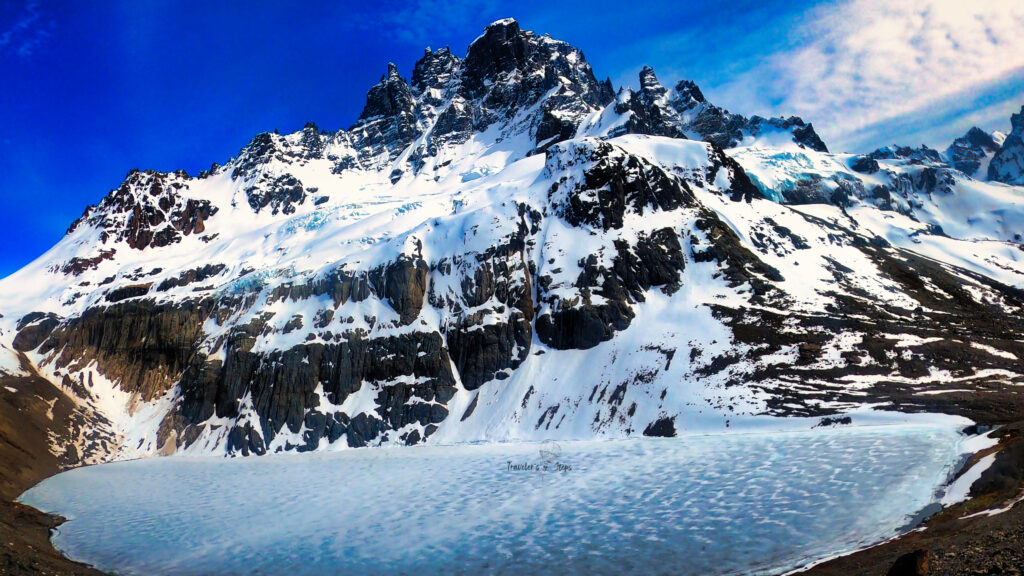
Cerro Castillo y sus cumbres
La imponente montaña que da nombre al parque, con sus 2,318 metros de altitud, es un espectáculo visual y un desafío para los montañistas.
Laguna Duff
Una laguna turquesa rodeada de montañas y glaciares, perfecta para disfrutar de vistas inolvidables y momentos de serenidad.
Circuito Las Horquetas
Un trekking de 53.5 km que atraviesa paisajes variados, desde bosques subantárticos hasta valles glaciares, ideal para los amantes de la aventura.
Avistamiento de huemules
Este parque es uno de los mejores lugares para observar al huemul, un ciervo en peligro de extinción y símbolo de la fauna chilena.
Bosques de lenga y ñirre
Los senderos atraviesan estos bosques nativos, ofreciendo una experiencia inmersiva en la flora patagónica.
Mirador Laguna Cerro Castillo
Un punto panorámico que permite contemplar la majestuosa cara sur del cerro y la laguna a sus pies.
Conexión con la naturaleza
La tranquilidad y la belleza del parque ofrecen una experiencia única para quienes buscan desconectarse y reconectar con el entorno natural.
Overview
A majestic haven of nature and heritage!
Cerro Castillo National Park, part of the Route of the Parks of Patagonia, in the heart of Aisén, is a sanctuary of glacial landscapes, turquoise lagoons and sub-Antarctic forests. Its mountains, crowned by the majestic Cerro Castillo, tell stories of explorers and conservationists. In this park, biodiversity finds refuge, with the huemul as its most precious symbol and indeed as the symbol of Chile itself. Trails like the Las Horquetas circuit offer physical challenges and a spiritual connection to nature. Every corner of the park reflects the fusion of majesty and legacy, inviting to preserve this treasure for future generations.
In the region of Aisén, under endless skies, Cerro Castillo National Park stands as a sanctuary of natural beauty and historical legacy. Its mountains, crowned by the 2,318-meter-high (7,600 ft) Cerro Castillo, are guardians of a landscape shaped by glaciers and winds over millennia. Transformed into a National Park in 2017, after having been a National Reserve since 1970, Cerro Castillo is part of the Route of the Parks of Patagonia. This change reinforces the commitment to the conservation of its biodiversity, including the huemul, a critically endangered deer.
In its landscapes, turquoise lagoons such as Laguna Duff and the subantarctic forests of lenga and ñirre seem to stand still in time. Trails such as the Las Horquetas circuit offer physical challenges and a deep connection with the untamed essence of Patagonia. More than a destination, Cerro Castillo National Park is a living poem, an ode to the majesty of Aisén and a reminder of the importance of preserving this natural treasure. Its richness inspires respect and commitment to future generations.
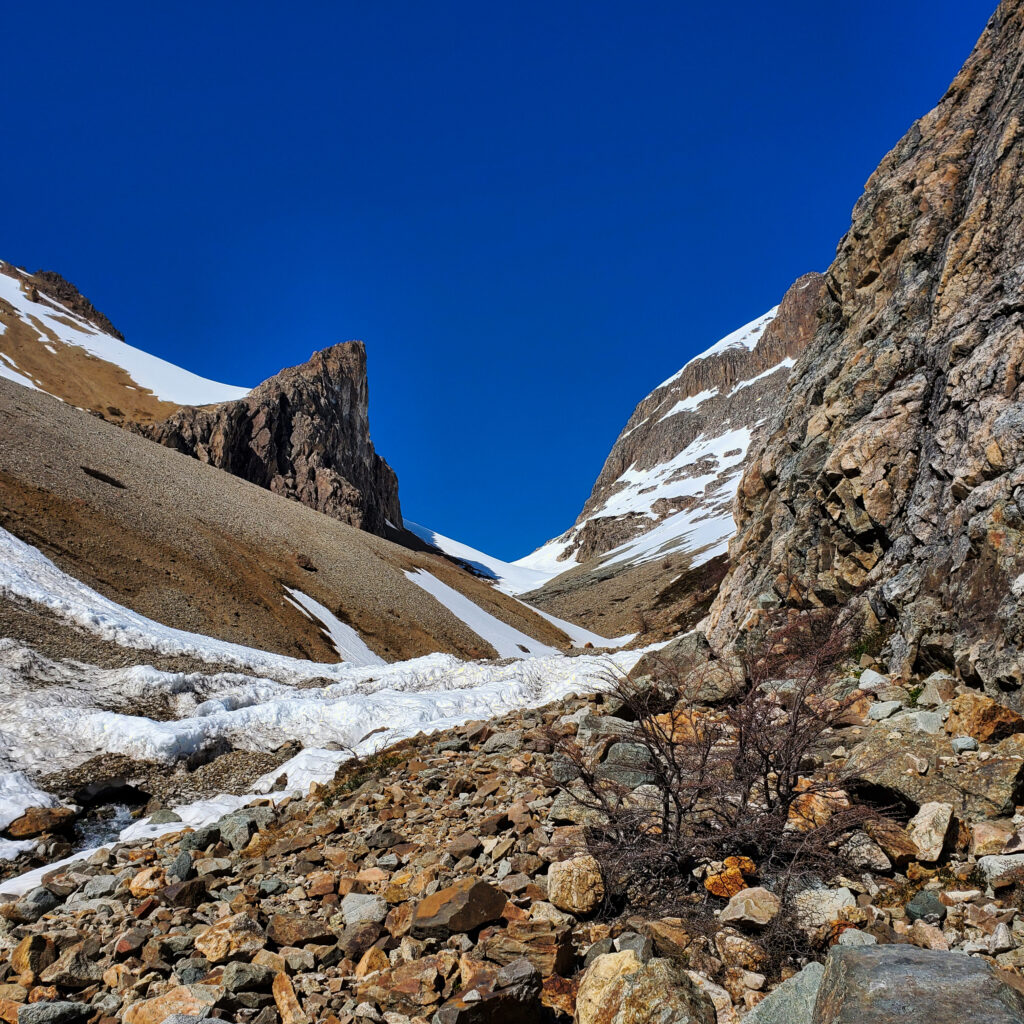
Over five days, we move through a changing sequence of terrain: lenga forests, exposed valleys, moraines, high passes, and remote campgrounds shaped by ice and wind. Each day builds on the last, not only in distance and effort, but in commitment. Once inside the route, the mountains dictate the rhythm.
This journey is designed for travelers who seek earned landscapes, who understand that traversing a mountain system means accepting uncertainty, effort, and responsibility — and that the reward lies precisely there.
The Essence of This Experience.
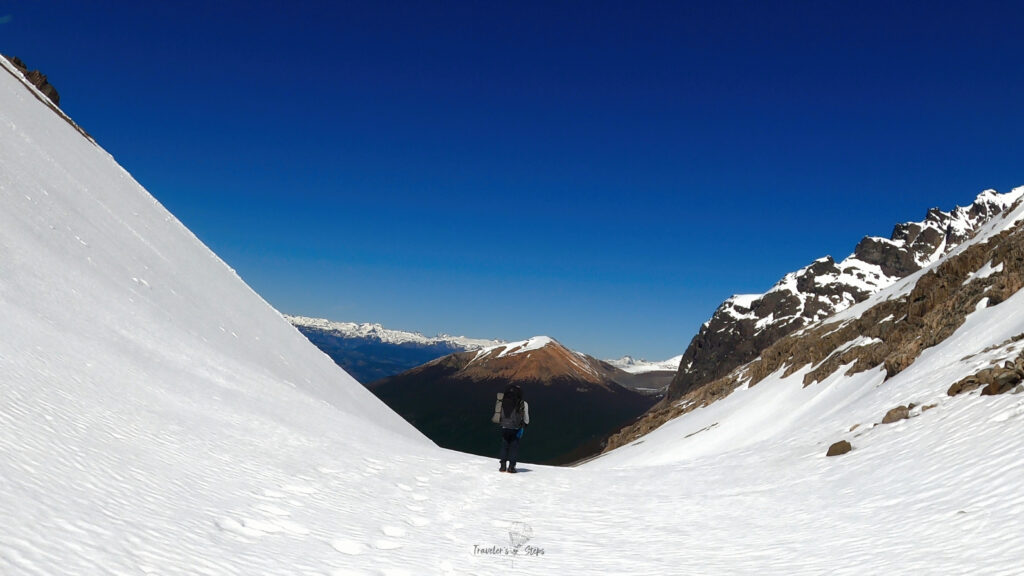
Esta experiencia tiene una clasificación de Nivel «Aventurero», lo cuál según nuestro sistema de clasificación es una experiencia de nivel de exigencia: «Media» física y técnicamente. Por tal motivo, necesitarás sentirte cómodo caminando 10+ kilómetros al día, con travesías de hasta 8+ horas diarias. Cada integrante debe ser capaz de desplazarse de manera independiente y segura, a través de múltiples terrenos irregulares (nieve, hielo, roca), incluyendo descensos empinados y grava suelta. Tres aspectos importantes durante todo el desarrollo de esta experiencia son:
That each member has the flexibility and mental strength to adapt to possible waiting times in tents and/or shelters.
Mutual and active support, teamwork and tolerance in a remote environment are very important.
Team(s) will be formed to make the progression on the glaciers.
What It Means to Traverse Las Horquetas
Una travesía no es simplemente una caminata larga. Es un compromiso con la continuidad. En la Las Horquetas Traverse, each day carries us farther from the trailhead and deeper into the mountain system. There are no short exits, no daily resets, no easy alternatives once the route unfolds. Progress is linear — both geographically and mentally.
Traversing means:
Accepting variable weather as part of the experience
Moving through terrain that demands attention and judgment
Managing energy and pacing over multiple consecutive days
Understanding that decision‑making evolves as the route progresses
The Las Horquetas route connects valleys and ecosystems rarely understood as a whole. By crossing rather than returning, we experience Cerro Castillo not as a destination, but as a continuous landscape, shaped by glaciers, elevation, and exposure. This is where trekking becomes mountain travel.
How We Explore
We approach this crossing with a mountaineer’s mindset:
Routes are planned carefully and adapted to conditions
Daily objectives balance progress, safety, and group strength
Guides read terrain, weather, and group dynamics continuously
Our goal is not speed or conquest, but clean, responsible passage through complex terrain — leaving the mountains unchanged and the travelers transformed.
Difficulty & Commitment
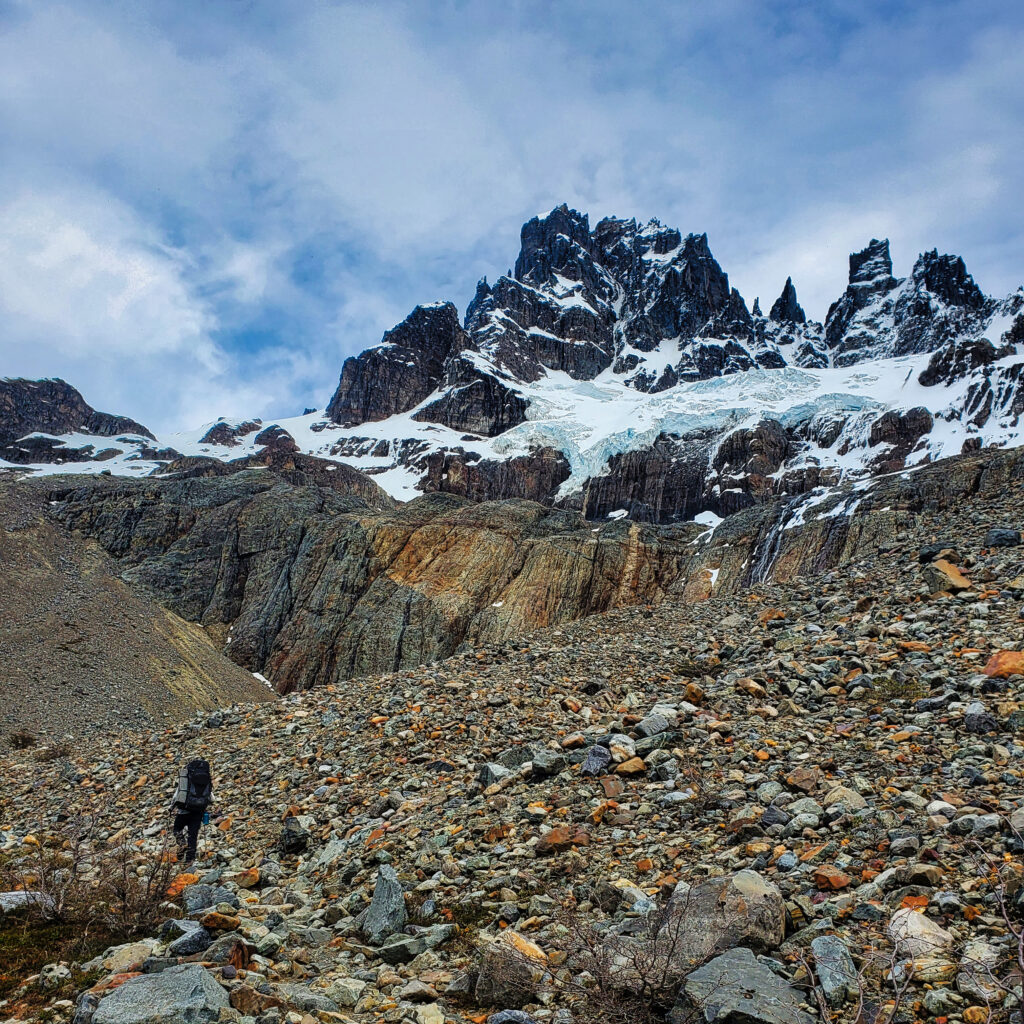
This is a physically and mentally demanding journey. It is not technical mountaineering, but it requires mountain readiness.
Physical Demands
Sustained daily hiking with a loaded pack
Significant elevation gain and loss
Uneven surfaces, rocky ground
Consecutive days of effort without rest days
Environmental Factors
Rapidly changing Patagonian weather
Wind exposure at higher elevations
Cold nights and variable trail conditions
Technical Considerations
Non‑technical terrain, but route awareness is essential
Sections require balance, stability, and confidence on uneven ground
No via ferratas, fixed ropes, or artificial aids
Who This Traverse Is For
This journey is designed for travelers who:
Have prior multi‑day trekking experience
Are comfortable with sustained physical effort
Understand mountain environments and their unpredictability
Seek commitment, progression, and depth over comfort
Who It Is Not For
This traverse is not suitable for:
First‑time trekkers
Travelers seeking daily vehicle access or easy exit options
Comfort‑first or sightseeing‑focused travel
Those unwilling to adapt plans to weather and terrain
Clarity protects the group — and the experience.
Why Cerro Castillo, Why Now
Cerro Castillo remains one of Patagonia’s most powerful mountain landscapes — less traveled, less curated, and more demanding than its famous neighbors.
Traversing Las Horquetas is not about avoiding crowds. It is about earning access to a landscape that still requires effort, patience, and respect.
Se trata de ganarse el acceso a un paisaje que aún exige esfuerzo, paciencia y respeto.
Adéntrate en Las Horquetas. Comienza aquí tu exploración…
How We Explore the world
Explorar Las Horquetas significa comprometerse con un cruce continuo de montaña.
Una vez dentro de la ruta, el terreno dicta el ritmo, las decisiones y la experiencia.
Esto no es una caminata entre miradores. Es un viaje de montaña a través de un sistema conectado de valles, pasos y paisajes glaciares — abordado con atención, adaptabilidad y respeto.
We do not return to the same place each night, and we do not “reset” daily. Progress is earned, and the landscape is understood as a whole.
Guided by the Land, Not a Script
Our approach is guided by mountain logic, not fixed scripts. Daily decisions are informed by:
Weather systems and wind exposure
Snow conditions, water levels, and trail state
Group strength, pace, and recovery
Routes and timing are adjusted responsibly to prioritize safety and quality of movement. Flexibility is not a compromise — it is a requirement in Cerro Castillo’s terrain.
Movement as Understanding
On Las Horquetas, walking is not passive. Movement requires:
Balance on uneven, and rocky ground
Awareness of footing, slope, and fatigue
Efficient pacing over consecutive long days
This is non‑technical terrain, but it demands mountain awareness. Attention is constant, and effort is cumulative.
The Role of the Guide: A Local Compass
Your guide’s role goes beyond navigation. They are responsible for:
Interpreting terrain and weather in real time
Managing group rhythm and energy across multiple days
Making conservative, experience‑based decisions when conditions change
The guide leads the traverse as a continuous process, ensuring safe passage through exposed and remote sections while preserving the integrity of the journey.
Cerro Castillo as a Living Landscape
Traversing Las Horquetas reveals Cerro Castillo as more than a scenic park. Through movement, we encounter:
Glacial valleys shaped by ice and erosion
Ecological transitions between forest, alpine, and exposed terrain
Historical routes once used by arrieros and early settlers
The traverse allows these elements to connect — geographically and narratively — into a coherent understanding of the mountain system.
Small Groups, Shared Awareness
We explore in small groups to maintain:
Clear communication and cohesion in demanding terrain
Flexibility in pace and decision‑making
A quiet, focused relationship with the landscape
In a traverse, every member contributes to the group’s rhythm. Awareness, patience, and mutual respect are essential.
Exploration with Respect
Las Horquetas demands humility. We move lightly:
Following Leave No Trace principles Leave No Trace
Respecting park regulations and fragile environments
Accepting that retreat or adaptation can be the right decision
Success here is not measured by speed or bravado, but by clean passage and sound judgment.
Traverse Las Horquetas is to surrender to the mountains on their own terms — moving through them with conscious steps, with serene intention, and with the responsibility demanded by their grandeur.
What is part of your adventure?
Incluye
Transportation: Private transportation for all land transfers.
Accommodation: During the Expedition: equipped campsites (expedition tents, cooking gear, etc.).
Meals: During expedition days: breakfast, trail rations, lunch and dinner included. Water and hot drinks always available at campsites.
Guides: Experienced and multilingual guides provided for the activity.
Equipment: Group expedition gear. Safety and emergency equipment: radios, satellite communications (InReach), first aid kit.
Other: Support in obtaining necessary permits. National park entry fees and charges, as described in the program.
No Incluye
Transportation: Airfare from origin to Balmaceda airport.
Accommodation: Accommodation not included in Coihaique. Please note that lodging outside the scheduled travel program, such as additional hotel nights due to itinerary changes, is not covered and may incur extra costs.
Meals: Requests will be considered and accommodated whenever possible; however additional fees may be applicable. Extra beverages including alcoholic drink
Guides: Tips are not included. Porters may be arranged but will involve an additional cost.
Equipment: Personal gear (For details, consult for the recommended gear list). Personal international travel, accident and health insurance. (For further details regarding personal insurance, do not hesitate to ask).
Other: Services in Santiago if required, we will gladly assist with organizing transfers, accommodations, city tours, etc. Please contact us if needed. Additional permits: currently, no extra permit costs are anticipated. If this changes, participants will be informed and must cover these additional expenses.
Any other service not included in the program.
Preparándose para la travesía!
What level of physical fitness is required?
Esta experiencia tiene una clasificación de Nivel «Adventurer«
You must feel comfortable walking more than 10 km per day, carrying gear, and traversing snow, ice, and rocky terrain.
Good balance, endurance, and prior mountain trekking experience are strongly recommended.
How long is the trip and what is the itinerary?
Duration: 5 days
Structure: Pick‑up in Coyhaique and departure to Cerro Castillo National Park (Day 1), expedition through valleys and mountains (Days 1–5), return to Coyhaique (Day 5).
Expect long trekking days (6–7 hours, 8–10 km daily) with some “Push days” lasting over 8 hours and covering up to 15 km.
What is the best season to go?
From November to March is ideal.
Daytime temperatures typically stay between 4 °C and 20 °C, with nighttime temperatures potentially dropping below freezing.
In summer, you can expect up to 16 hours of daylight.
The weather is highly unpredictable: sun, rain, snow, or strong winds can all occur in a single day.
How many people are required for the trip to take place?
Dependiendo del formato, se requiere un mínimo de 2 a 3 participantes.
Small groups ensure safety and teamwork during river crossings and/or snowy areas.
What equipment should I bring?
Personal trekking gear (trekking boots, layered apparel, rainproof gear, backpack)
Trekking poles are highly recommended.
Group expedition gear Guides organize ropes and safety equipment, while travelers are responsible for carrying their personal essentials.
How challenging is the terrain?
Patagonian mountains are not extremely high, but they are steep and rugged.
Depending on the time of year, trails may include loose rock, mud, snow, and ice.
Strong winds, river crossings, and unpredictable weather are integral to the experience.
Teamwork and adaptability are essential.
Galería
Fotos
Videos
Other adventures to inspire your spirit!
Patagonia: Echos of Aisen
Ver más detalles
Una aventura en los paisajes e historia de Aisén.
Región: Patagonia Aisén, Valles circundantes al Lago Chelenko (General Carrera).
Estilo: Trekking exploratorio, fly fishing y rutas culturales.
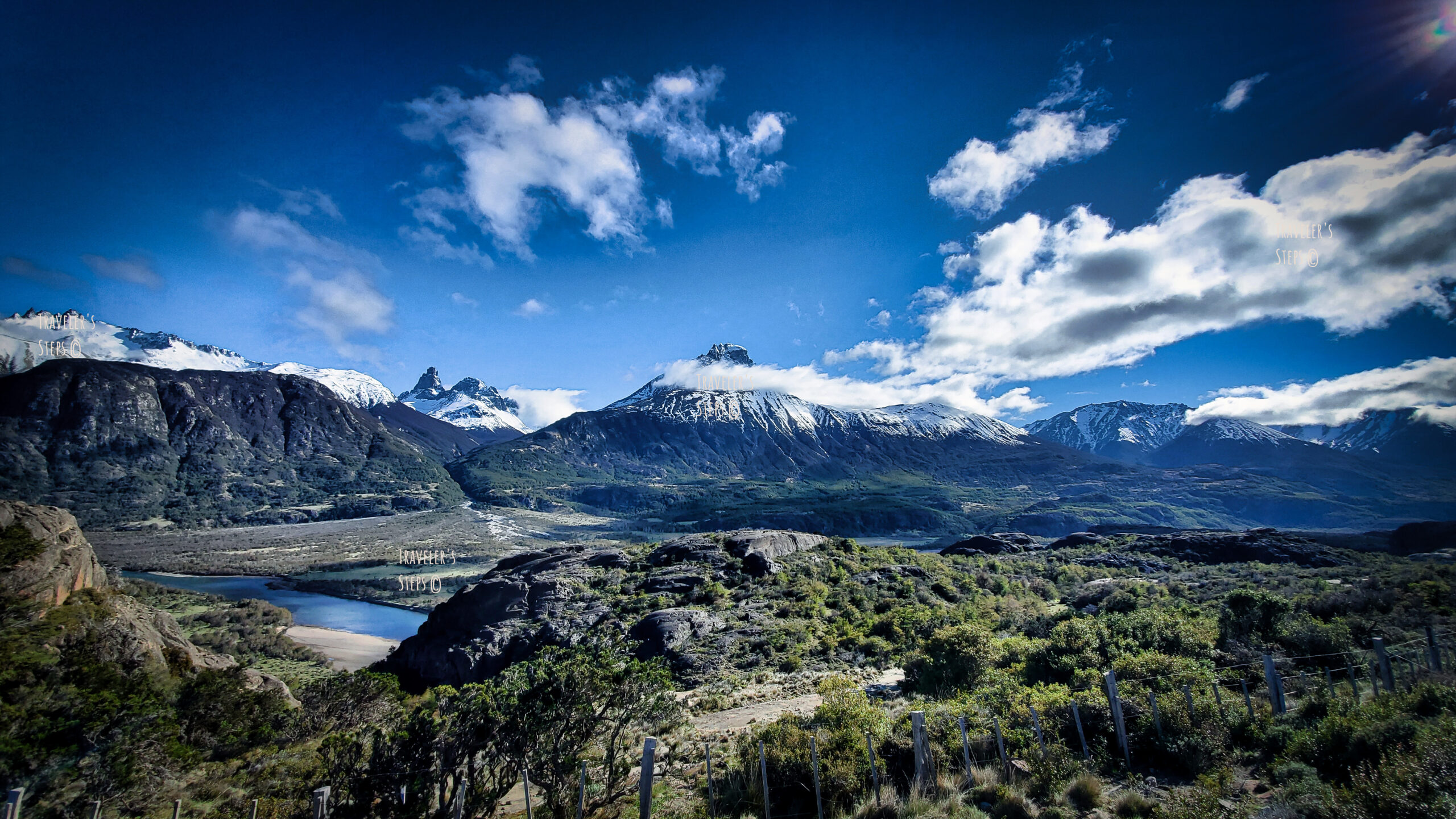 In its landscapes, turquoise lagoons such as Laguna Duff and the subantarctic forests of lenga and ñirre seem to stand still in time. Trails such as the Las Horquetas circuit offer physical challenges and a deep connection with the untamed essence of Patagonia. More than a destination, Cerro Castillo National Park is a living poem, an ode to the majesty of Aisén and a reminder of the importance of preserving this natural treasure. Its richness inspires respect and commitment to future generations.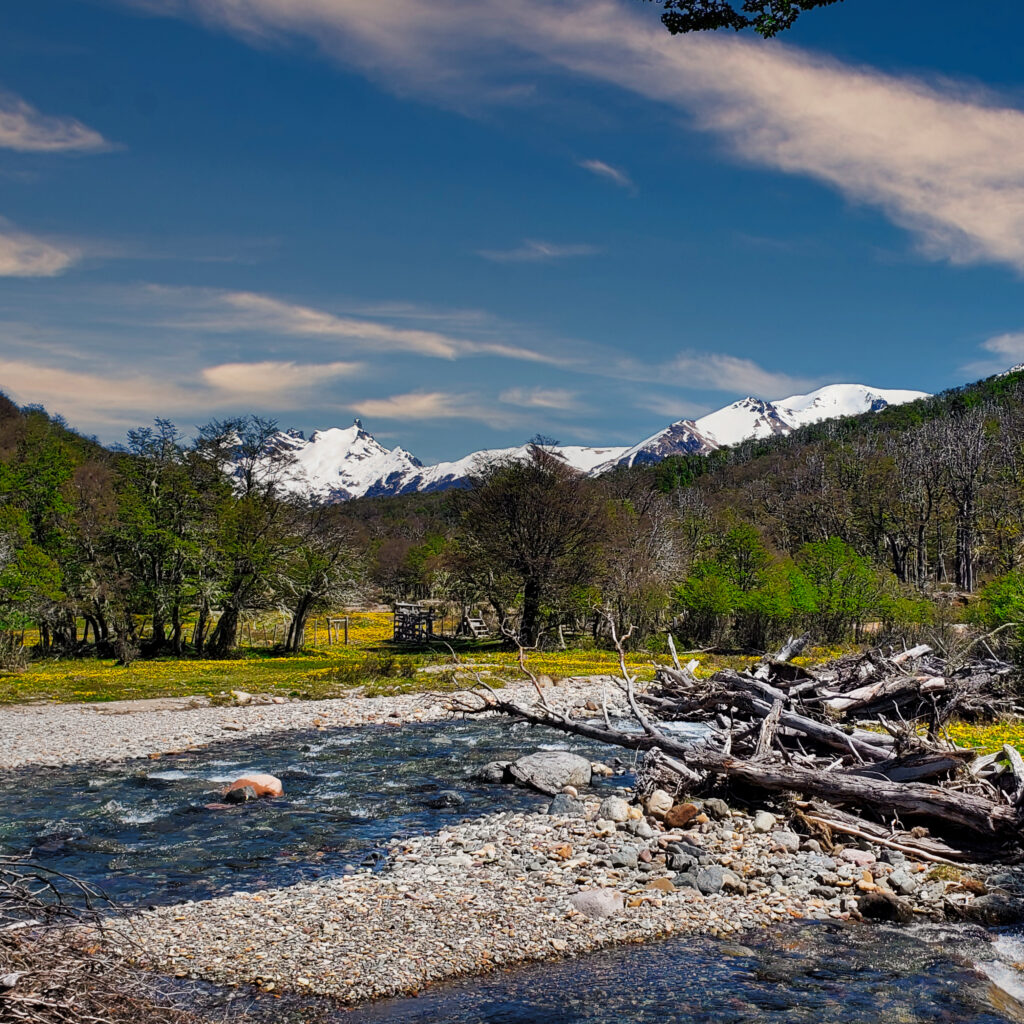
 Difficulty & Commitment