A journey into the landscapes and history of Puerto Ibáñez, Aisén.
Patagonia: Echoes of Aisén
Exploration Summary
Location Aysén Patagonia — Lake Chelenko (General Carrera) and surrounding valleys
Type of Adventure Exploratory trekking, fly fishing and landscape immersion.
Terrain Mountain valleys, lakeshores, forests, and open Patagonian landscapes.
Physical Difficulty Moderate. Designed for travelers comfortable with sustained walking and variable terrain. Daily routes are adapted to group conditions and weather
Technical Difficulty Medium–Low level (flexible). Suitable for those with 1–2 days of trekking experience and able to handle uneven terrain on extended hikes.
Focused on Local History, shared exploration, learning, and presence.
Experience Highlights
Landscapes that tell stories
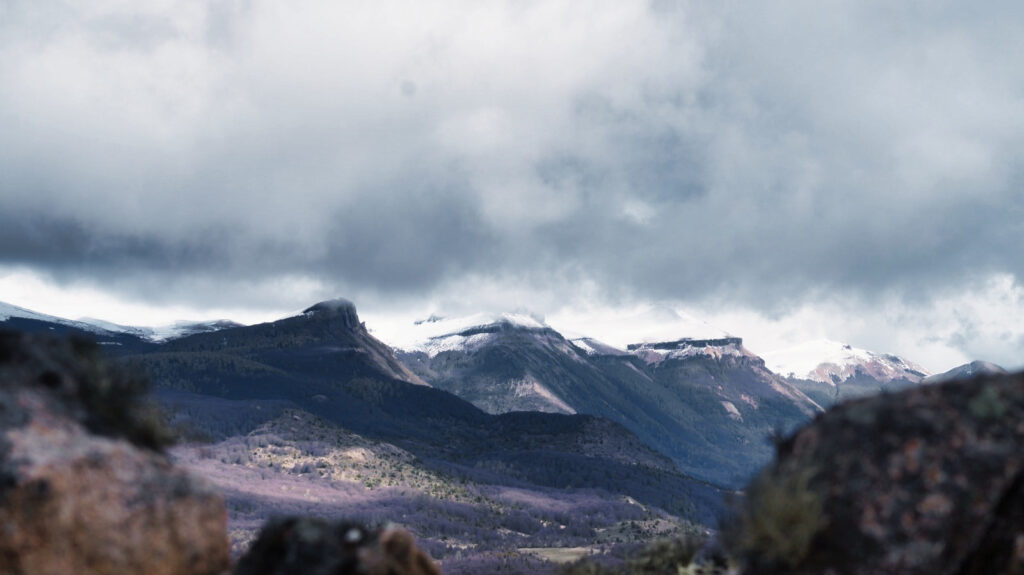
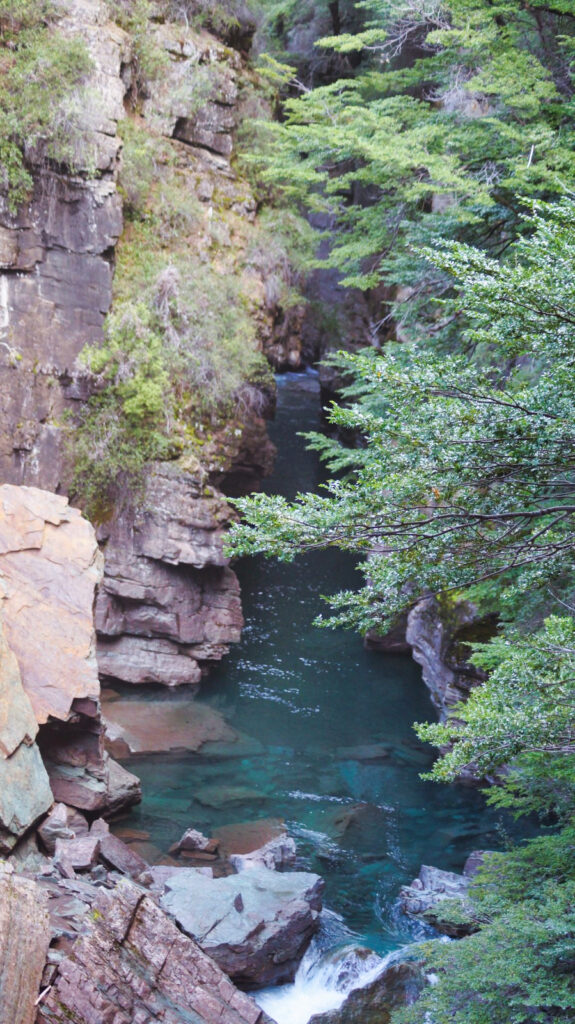
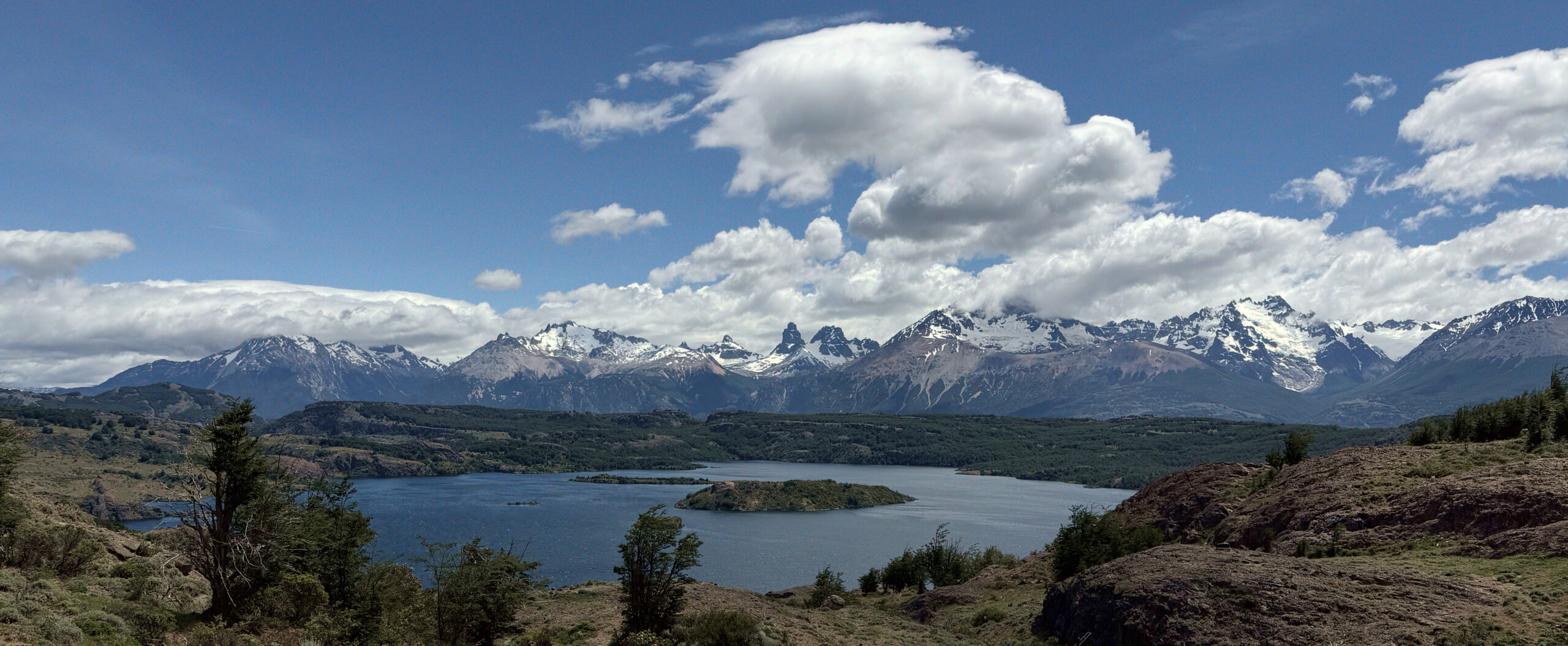
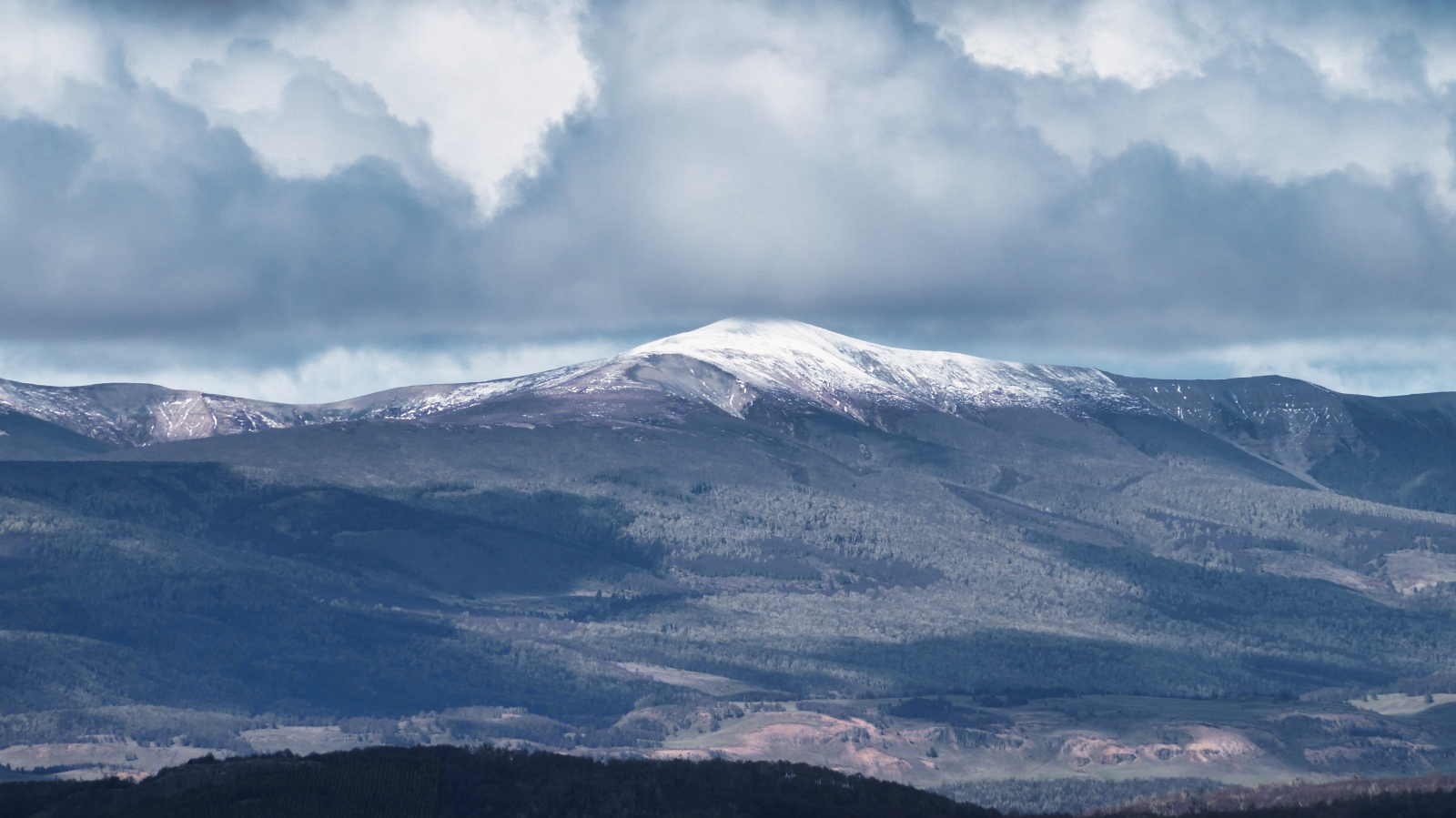
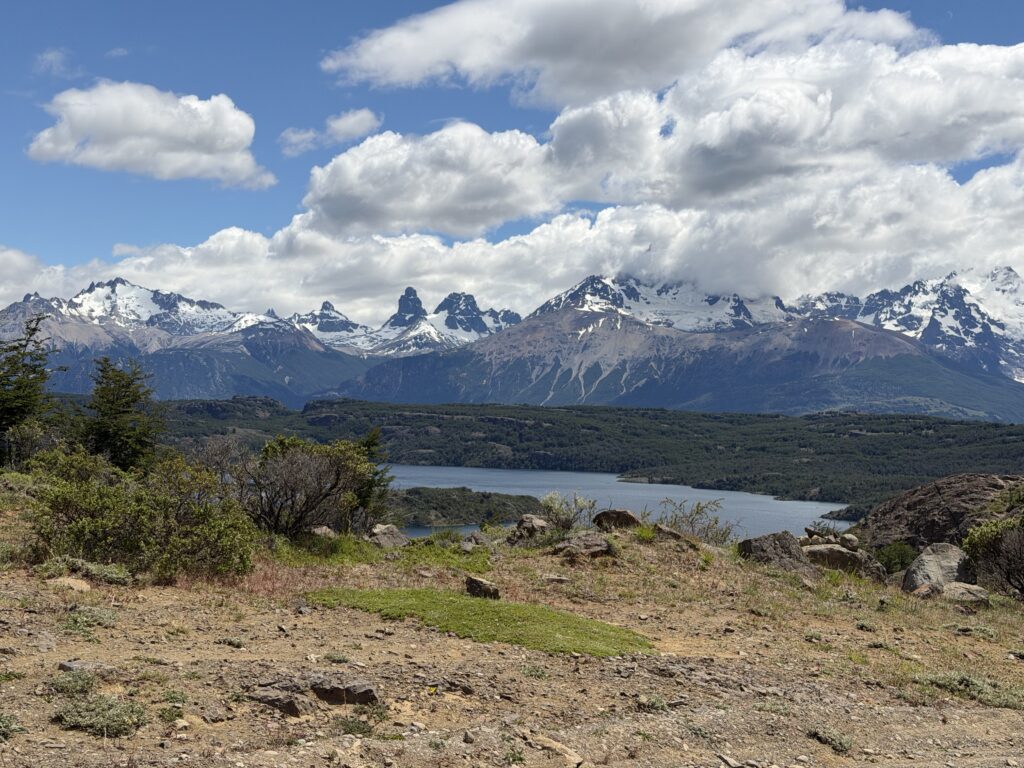
Steep mountains, ancient forests and Lake Chelenko as a mirror of the sky. Every corner is a living postcard that reveals centuries of natural and human formation.
Tehuelche footprints, memory in stone
The hands painted on rock by the ancient Tehuelche are testimony to a culture that lived in communion with the earth.
Living gaucho traditio
Gaucho life is breathed in every gesture, in every mate shared, in every story told in the heat of the fire.
Trails that awaken the soul
Hikes through native forests, hidden viewpoints and routes that invite contemplation. Here, silence has a voice and the landscape, purpose.
Oral wisdom and wind stories
To listen to these stories by the fire is to enter a world where myth and memory are intertwined.
Encounters with the essential
A space to reconnect with the simple, the authentic, the human.
Rituals of slow walking
Each step along the trails is an invitation to observe, to feel, to belong. The leisurely pace of life on this earth teaches that the real journey happens within you.
Overview
Where the earth sings its memory!
In the hidden folds of Patagonia, time inhales and exhales in the icy glacier breezes that carry with them ancestral stories. Lake Chelenko, a deep blue velvet mirror, cradles the gaze of those who dared to love its shores. The mountains rise like silent poets, with snowy verses etched into stone, while the ancient forests murmur secrets in languages older than memory. On rocks warm in the sun, the painted hands of the Tehuelche endure like brushstrokes of eternity, witnesses of a people who spoke to the wind and venerated the heartbeat of the earth. Today, the gaucho spirits gallop free through infinite pastures: horses that dream of the terrain under canvases of immense sky, mates shared in sacred pauses and guitars that weave laughter and nostalgia into a single melody. Camino Las Ardillas unfolds like a living hymn, each rustling leaf and each reflected wave inviting you to slow down, open your soul and listen to the wild poetry that dances in every whisper of this enchanted land.
There is a corner in Patagonia where time does not run, it breathes. Where the wind comes down from the glaciers with stories on their wings,
and Lake Chelenko—deep, blue as a secret—keeps in its mirror the faces of those who have loved it.
Mountains that rise like guardians, forests that murmur in ancient tongues, and skies that open like endless books. On the rocks, the painted hands of the Tehuelche still greet. They are gestures frozen in time, witnesses of a culture that walked with respect, that spoke to the wind and listened to the earth. Their traditions live in silence, in the way they look at the horizon without haste, in the certainty that everything is connected.
Closer to the present, but with deep roots, gaucho life flourishes among pastures and stoves. Horses that know the terrain as if they dreamed it, mate shared under infinite skies, and guitars that cry and laugh within the same song. Here, being a gaucho is not a job: it is identity. It is knowing that freedom is found in the simple, and that courage is cultivated with each dawn.
The beauty of the Camino Las Ardillas is not measured in words, but in whispers of the forest, in reflections of the lake that look like dreams, in the rustling of the leaves under slow steps. It is a sanctuary where nature still sings with its own voice, where each trail holds secrets that only silence knows how to tell.
Echoes of Aysén is an invitation to move through this land slowly and attentively — not as spectators, but as explorers learning to read terrain, weather, and memory. Each step follows paths shaped by geology, water, and human persistence. This is Patagonia not as a postcard, but as a living territory that reveals itself through movement.
La Esencia de Esta Experiencia
This experience is rated as Level «Curioso«, lo cuál según nuestro sistema de clasificación es una experiencia de nivel de exigencia: «Media – Baja» física y técnicamente. Por tal motivo, necesitarás sentirte cómodo caminando 6+ kilómetros al día, con travesías de hasta 6+ horas diarias. Cada integrante debe ser capaz de desplazarse de manera independiente y segura, a través de múltiples terrenos irregulares (nieve, hielo, roca). incluyendo descensos empinados grava suelta. Tres aspectos importantes durante todo el desarrollo de esta experiencia son:
That each member has the flexibility and mental strength to adapt to possible waiting times in tents and/or shelters.
Mutual and active support, teamwork and tolerance in a remote environment are very important.
Team(s) will be formed to make the progression on the glaciers.
What Makes This an Exploratory Journey
This is not a fixed itinerary designed to “tick off” highlights. Routes are chosen based on conditions, history, and the rhythm of the land. We walk to understand:
How glaciers shaped the valleys
Why settlements emerged where they did
How local routes connected people long before modern roads
Your guide acts as a local compass — interpreting terrain, sharing regional history, and adapting each day’s journey to what the land allows. Exploration here is not about distance or speed, but about attention.
Who This Journey Is For
This experience is designed for travelers who:
Seek adventure rooted in exploration, not adrenaline
Are curious about local history, geography, and human presence
Prefer Aysén’s remoteness over crowded Patagonia icons
Value small groups, thoughtful pacing, and meaningful movement
This journey is not focused on technical mountaineering or extreme endurance, but it does require openness to changing conditions and a willingness to engage physically and mentally with the landscape.
Why Aysén Patagonia does not end at Torres del Paine. It deepens in Aysén. Here, distances stretch, silence grows wider, and landscapes feel unfinished — still in the process of becoming. Echoes of Aysén exists because some places are best understood not through spectacle, but through time, walking, and listening. Echoes of Aysén exists because some places are best understood not through spectacle, but through time, walking, and listening.
Step into Aysén. Begin your exploratory journey.
How We Explore the world
Exploration in Aysén is not about following a fixed line on a map. It is about reading the land as it reveals itself — through weather, terrain, history, and silence.
At Echoes of Aysén, we move with intention rather than haste. Each day unfolds by walking, observing, and engaging in dialogue with the landscape. Routes are chosen not only for where they lead, but for what they reveal about this land and those who crossed it before.
Guided by the Land, Not a Script
This journey is not built around a rigid, pre-defined itinerary. Instead:
Daily routes are adapted to weather, terrain conditions, and group rhythm
We combine established paths, historical crossings, and lightly marked routes
Decisions are made on the ground, informed by experience rather than obligation
This flexibility allows us to prioritize safety, depth, and authenticity — and to explore Aysén as it truly is: variable, powerful, and alive.
Movement as Understanding
Walking is our primary way of knowing the land. As we move, we learn to observe:
How glaciers have shaped valleys and lake systems
Why human settlements emerged where they did
How old routes connected isolated communities long before modern roads
Exploration here is not measured in kilometers, but in awareness — of slope, wind, water, and the traces of human passage woven into the landscape.
The Role of the Guide: A Local Compass
Your guide is not only there to lead the way, but to interpret the territory. They bring:
Local geographic knowledge and route-finding experience
An understanding of regional history, settlement, and survival
The ability to adapt plans responsibly in remote environments
The guide acts as a local compass, helping translate the land’s signals — when to advance, when to pause, and when to listen.
Aysén as a Living Archive
Every valley, shoreline, and mountain corridor in Aysén holds memory. Through exploration, we encounter:
Former arriero routes and early crossings
Landscapes shaped by isolation and resilience
Stories passed down through geography rather than monuments
Local history is not presented as information, but as context — something felt through movement and presence.
Small Groups, Shared Awareness
We explore in small groups to maintain:
Safety and flexibility in remote terrain
A quiet, attentive relationship with the environment
Space for reflection, conversation, and shared discovery
This scale allows the journey to remain personal, grounded, and responsive — essential qualities when traveling through a place as vast and subtle as Aysén.
Exploration with Respect
We move lightly, with respect for:
Fragile ecosystems
Local communities and private lands
The rhythms of weather and season
Exploration is not about leaving a mark, but about leaving with understanding.
In Aysén, exploration is not about reaching a destination.
It is about learning how to move through a place that does not rush to reveal itself.
What is part of your adventure?
What is Included
Transportation: To and from Balmaceda Airport. Private transportation for all land and water transfers.
Accommodation: In intermediate locations, guests are accommodated in shared tents or cabins. Private tents or cabins may be available for an additional cost. During the crossing: equipped camps (expedition tents, cooking equipment, etc.).
Meals: During expedition days: breakfast, trail rations, lunch and dinner included. Water and hot drinks always available at campsites.
Guides: Experienced and multilingual guides provided for the activity.
Equipment: Group expedition gear. Safety and emergency equipment: radios, satellite communications (InReach), first aid kit.
Other: Support in obtaining necessary permits. National park entry fees and charges, as described in the program.
What is not Included
Transportation: Airfare from origin to Balmaceda airport.
Accommodation: Accommodation not included in Coihaique. Please note that lodging outside the scheduled travel program, such as additional hotel nights due to itinerary changes, is not covered and may incur extra costs.
Meals: Requests will be considered and accommodated whenever possible; however additional fees may be applicable. Extra beverages including alcoholic drink
Guides: Tips are not included. Porters may be arranged but will involve an additional cost.
Equipment: Personal gear (For details, consult for the recommended gear list). Personal international travel, accident and health insurance. (For further details regarding personal insurance, do not hesitate to ask).
Other: Services in Santiago if required, we will gladly assist with organizing transfers, accommodations, city tours, etc. Please contact us if needed. Additional permits: currently, no extra permit costs are anticipated. If this changes, participants will be informed and must cover these additional expenses.
Any other service not included in the program.
Preparing for the journey
What level of physical fitness is required?
This experience is rated as Level «Curioso«
You must feel comfortable walking more than 10 km per day, carrying gear, and traversing snow, ice, and rocky terrain.
Good balance, endurance, and prior mountain trekking experience are strongly recommended.
How long is the trip and what is the itinerary?
Duration: 5 days
Structure: Pick-up in Coyhaique and departure to Pto Ibañez - Camino Las Ardillas (Day 1), expedition through valleys, lakes and mountains (Days 2–4), return to Coyhaique (Day 5).
Expect long trekking days (5–7 hours, 4–6 km daily) with some “Push days” lasting over 8 hours and covering up to 15 km.
What is the best season to go?
From November to March is ideal.
Daytime temperatures typically stay between 4 °C and 20 °C, with nighttime temperatures potentially dropping below freezing.
In summer, you can expect up to 16 hours of daylight.
The weather is highly unpredictable: sun, rain, snow, or strong winds can all occur in a single day.
How many people are required for the trip to take place?
Minimum group size: 2–3 participants (depending on format)
Small groups ensure safety and teamwork during river crossings and/or snowy areas.
What equipment should I bring?
Personal trekking gear (trekking boots, layered apparel, rainproof gear, backpack)
Trekking poles are highly recommended.
Group expedition gear Guides organize ropes and safety equipment, while travelers are responsible for carrying their personal essentials.
How challenging is the terrain?
Patagonian mountains are not extremely high, but they are steep and rugged.
Paths may involve loose rock, muddy sections, snow, and ice.
Strong winds and unpredictable weather are integral to the experience.
Teamwork and adaptability are essential.
Media Gallery
Pictures
Video Clips
Other adventures to inspire your spirit!
Circo Los Altares: Southern Ice Field
See more details
Journey along the Millennial Ice Route, an adventure to a timeless giant of ice and legend.
Location Southern Patagonian Ice Field, Bernardo O'higgins National Park, Aisén Patagonia
Expedition Style: Fully guided expedition with glacier progression in rope teams and remote camps.
 This journey is not focused on technical mountaineering or extreme endurance, but it does require openness to changing conditions and a willingness to engage physically and mentally with the landscape.