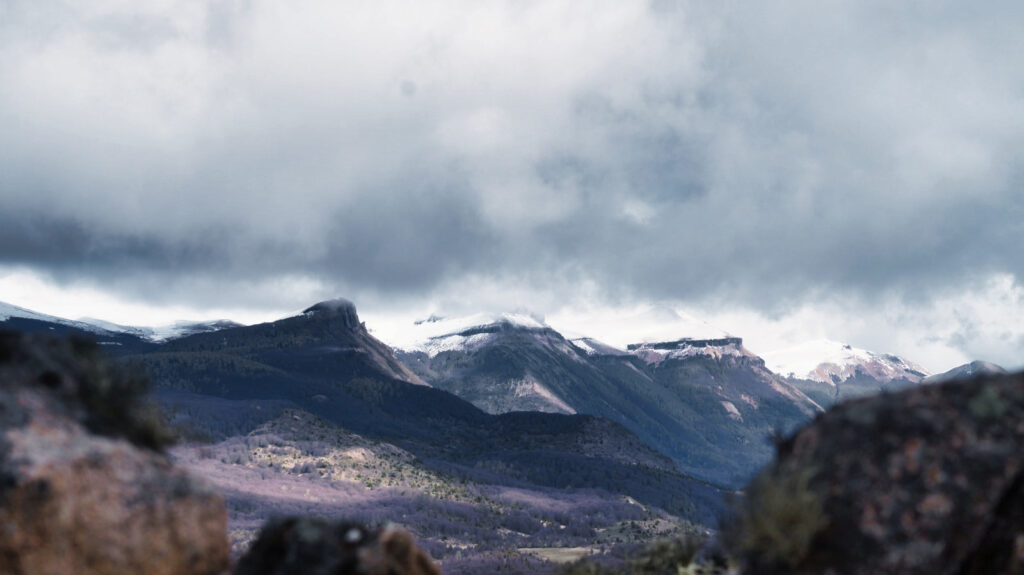
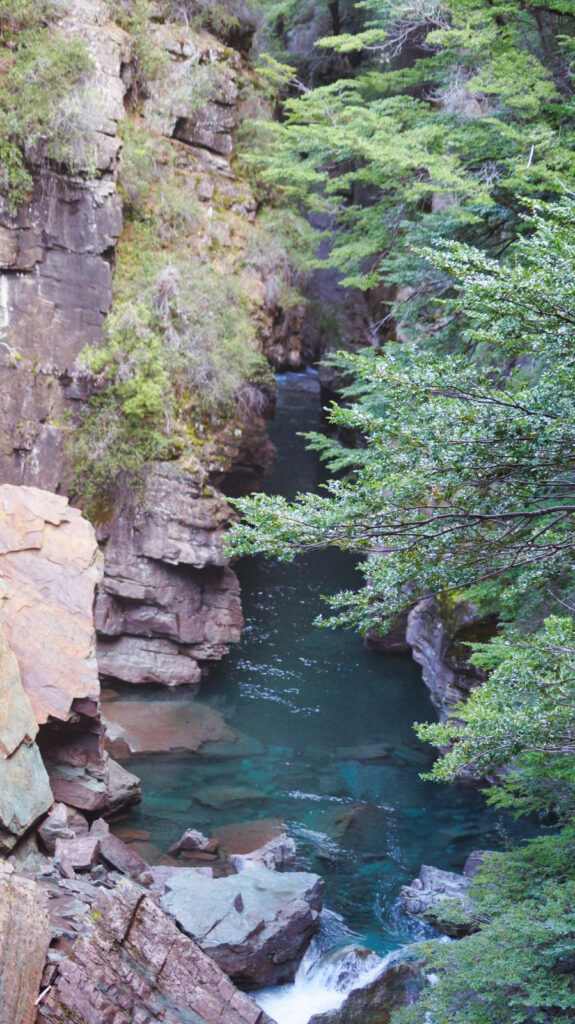
Región Patagonia Aisén, Valles circundantes al Lago Chelenko (General Carrera).
Estilo Trekking exploratorio, fly fishing y rutas culturales.
Terreno Valles montañosos, orillas de lago, bosques y paisajes abiertos de la Patagonia.
Nivel Físico Media - Baja (adaptable) Diseñado para viajeros cómodos con caminatas sostenidas y terreno variable. Las rutas diarias se adaptan a las condiciones del grupo y del clima.
Nivel Técnico Media - Baja (adaptable). Experiencia en trekking de 1 o 2 días. Capacidad de adapción a terreno irregular en trekking de larga duración.
Enfoque Lectura del paisaje, historia local. Enfocados en la exploración compartida, el aprendizaje y la presencia.
Experience Highlights
Geografía que cuenta historias
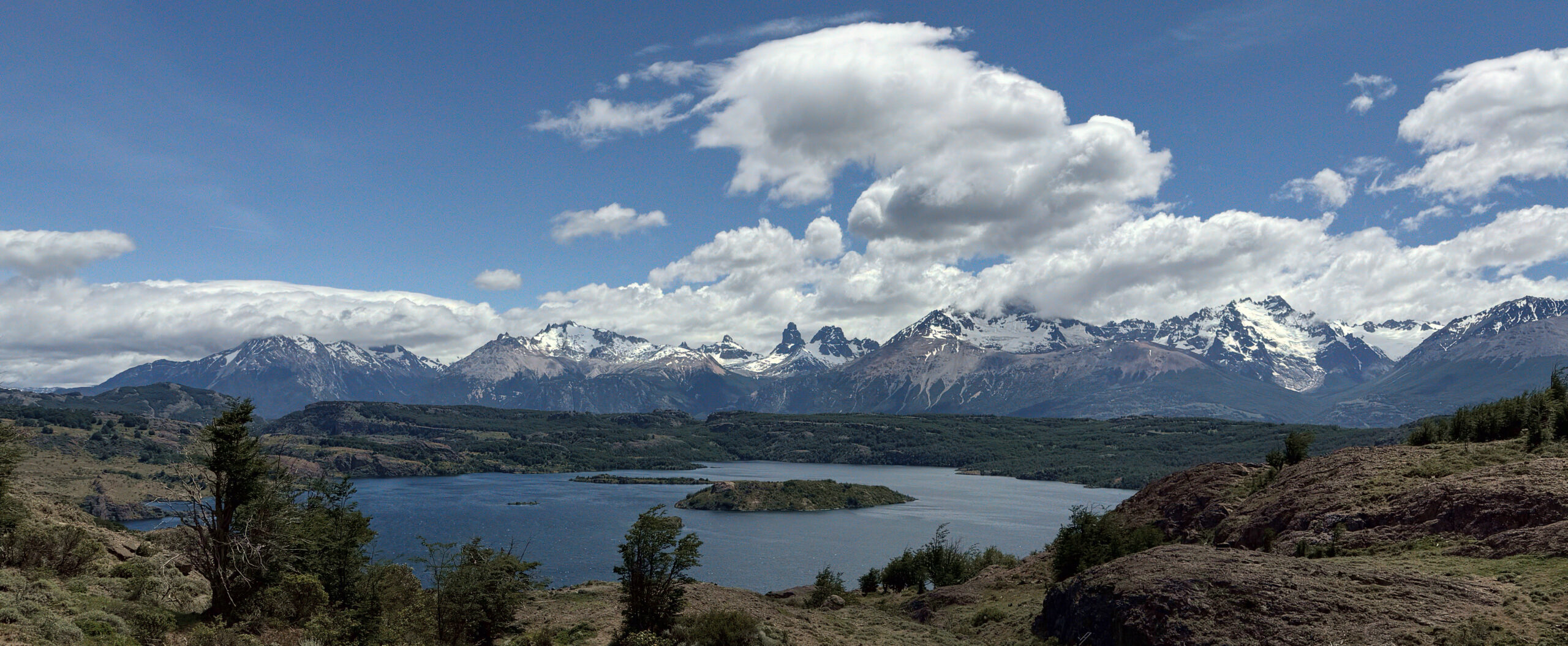
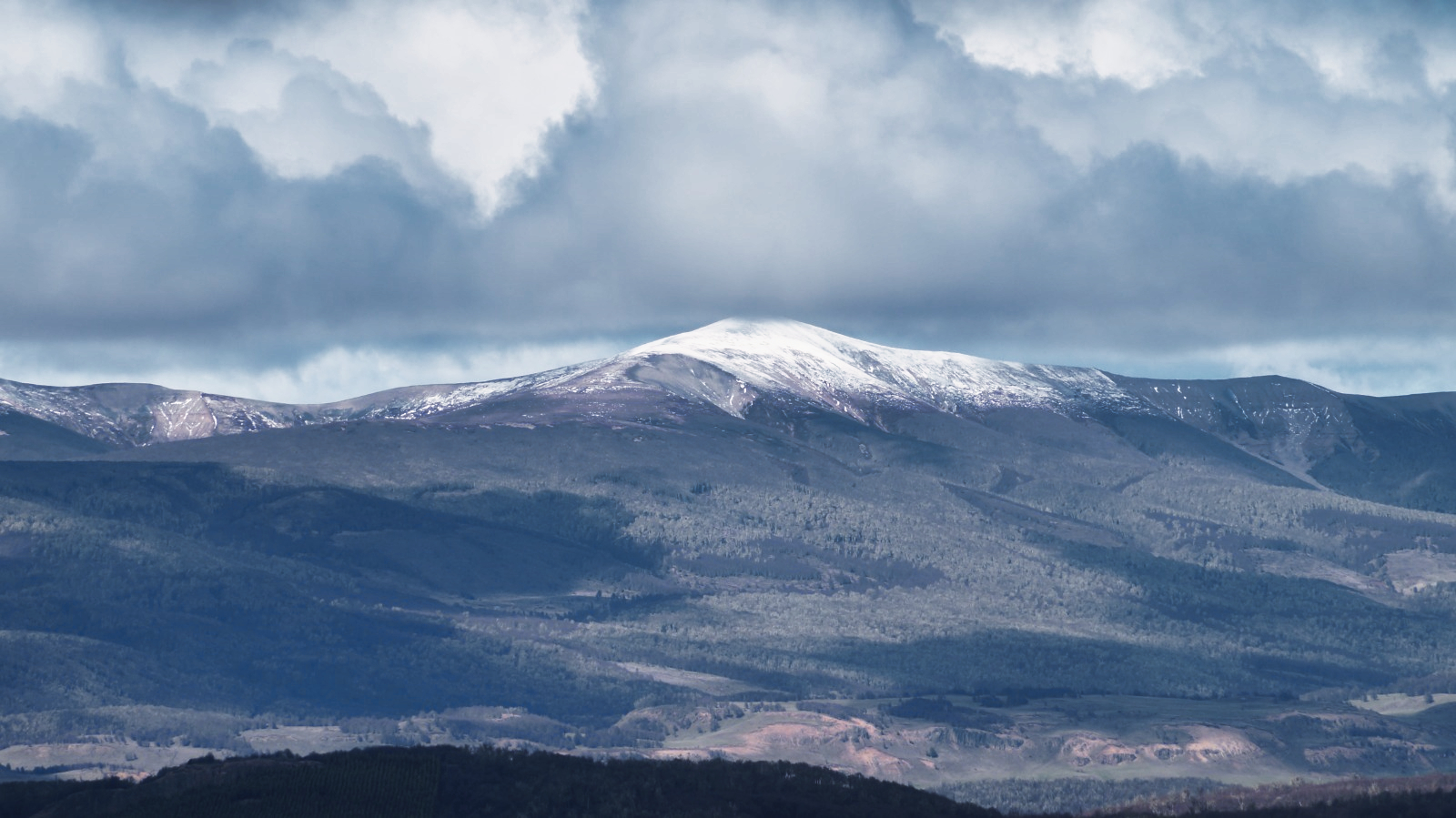
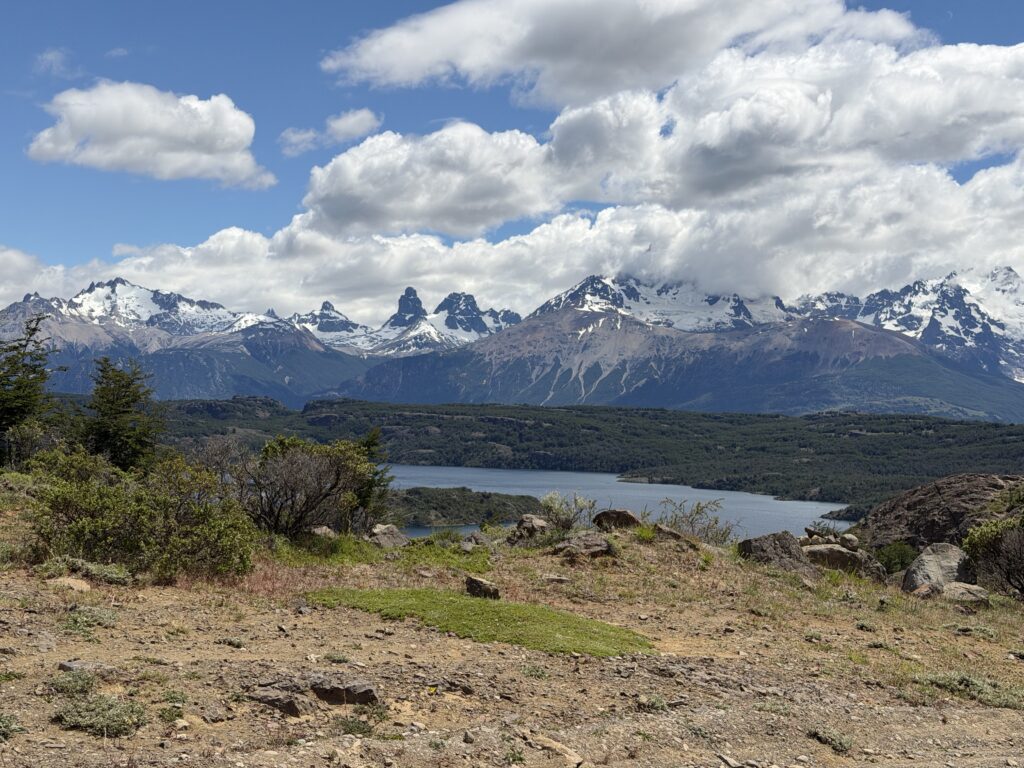
Montañas escarpadas, bosques milenarios y el lago Chelenko como espejo del cielo. Cada rincón es una postal viva que revela siglos de formación natural y humana.
Huellas tehuelches, memoria en piedra
Las manos pintadas en roca por los antiguos tehuelches son testimonio de una cultura que vivía en comunión con la tierra.
Tradición gaucha viva
La vida gaucha se respira en cada gesto, en cada mate compartido, en cada historia contada al calor del fuego.
Senderos que despiertan el alma
Caminatas por bosques nativos, miradores ocultos y rutas que invitan a la contemplación. Aquí, el silencio tiene voz y el paisaje, propósito.
Sabiduría oral y relatos del viento
Escuchar estas historias junto al fuego es entrar en un mundo donde el mito y la memoria se entrelazan.
Encuentros con lo esencial
Un espacio para reconectar con lo simple, lo auténtico, lo humano.
Rituales del andar lento
Cada paso por los senderos es una invitación a observar, a sentir, a pertenecer. El ritmo pausado de la vida en esta tierra enseña que el verdadero viaje ocurre dentro de uno.
Overview
Where the earth sings its memory!
In the hidden folds of Patagonia, time inhales and exhales in the icy glacier breezes that carry with them ancestral stories. Lake Chelenko, a deep blue velvet mirror, cradles the gaze of those who dared to love its shores. The mountains rise like silent poets, with snowy verses etched into stone, while the ancient forests murmur secrets in languages older than memory. On rocks warm in the sun, the painted hands of the Tehuelche endure like brushstrokes of eternity, witnesses of a people who spoke to the wind and venerated the heartbeat of the earth. Today, the gaucho spirits gallop free through infinite pastures: horses that dream of the terrain under canvases of immense sky, mates shared in sacred pauses and guitars that weave laughter and nostalgia into a single melody. Camino Las Ardillas unfolds like a living hymn, each rustling leaf and each reflected wave inviting you to slow down, open your soul and listen to the wild poetry that dances in every whisper of this enchanted land.
There is a corner in Patagonia where time does not run, it breathes. Where the wind comes down from the glaciers with stories on their wings,
and Lake Chelenko—deep, blue as a secret—keeps in its mirror the faces of those who have loved it.
Mountains that rise like guardians, forests that murmur in ancient tongues, and skies that open like endless books. On the rocks, the painted hands of the Tehuelche still greet. They are gestures frozen in time, witnesses of a culture that walked with respect, that spoke to the wind and listened to the earth. Their traditions live in silence, in the way they look at the horizon without haste, in the certainty that everything is connected.
Closer to the present, but with deep roots, gaucho life flourishes among pastures and stoves. Horses that know the terrain as if they dreamed it, mate shared under infinite skies, and guitars that cry and laugh within the same song. Here, being a gaucho is not a job: it is identity. It is knowing that freedom is found in the simple, and that courage is cultivated with each dawn.
The beauty of the Camino Las Ardillas is not measured in words, but in whispers of the forest, in reflections of the lake that look like dreams, in the rustling of the leaves under slow steps. It is a sanctuary where nature still sings with its own voice, where each trail holds secrets that only silence knows how to tell.
Echoes of Aysén is an invitation to move through this land slowly and attentively — not as spectators, but as explorers learning to read terrain, weather, and memory. Each step follows paths shaped by geology, water, and human persistence. This is Patagonia not as a postcard, but as a living territory that reveals itself through movement.
The Essence of This Experience.
Esta experiencia tiene una clasificación de Nivel «Curioso«, lo cuál según nuestro sistema de clasificación es una experiencia de nivel de exigencia: «Media – Baja» física y técnicamente. Por tal motivo, necesitarás sentirte cómodo caminando 6+ kilómetros al día, con travesías de hasta 6+ horas diarias. Cada integrante debe ser capaz de desplazarse de manera independiente y segura, a través de múltiples terrenos irregulares (nieve, hielo, roca). incluyendo descensos empinados grava suelta. Tres aspectos importantes durante todo el desarrollo de esta experiencia son:
That each member has the flexibility and mental strength to adapt to possible waiting times in tents and/or shelters.
Mutual and active support, teamwork and tolerance in a remote environment are very important.
Team(s) will be formed to make the progression on the glaciers.
What Makes This an Exploratory Journey
This is not a fixed itinerary designed to “tick off” highlights. Routes are chosen based on conditions, history, and the rhythm of the land. We walk to understand:
How glaciers shaped the valleys
Why settlements emerged where they did
How local routes connected people long before modern roads
Your guide acts as a local compass — interpreting terrain, sharing regional history, and adapting each day’s journey to what the land allows. Exploration here is not about distance or speed, but about attention.
Who This Journey Is For
This experience is designed for travelers who:
Seek adventure rooted in exploration, not adrenaline
Are curious about local history, geography, and human presence
Prefer Aysén’s remoteness over crowded Patagonia icons
Value small groups, thoughtful pacing, and meaningful movement
This journey is not focused on technical mountaineering or extreme endurance, but it does require openness to changing conditions and a willingness to engage physically and mentally with the landscape.
Why Aysén Patagonia does not end at Torres del Paine. It deepens in Aysén. Here, distances stretch, silence grows wider, and landscapes feel unfinished — still in the process of becoming. Echoes of Aysén exists because some places are best understood not through spectacle, but through time, walking, and listening. Echoes of Aysén exists because some places are best understood not through spectacle, but through time, walking, and listening.
Adéntrate en Aysén. Comienza Aqui tu exploración…
How We Explore the world
Exploration in Aysén is not about following a fixed line on a map. It is about reading the land as it reveals itself — through weather, terrain, history, and silence.
At Ecos de Aisén, nos movemos con intención más que con prisa. Cada día se despliega caminando, observando y dialogando con el paisaje. Las rutas se eligen no solo por dónde llevan, sino por lo que enseñan sobre este territorio y quienes lo cruzaron antes.
Guided by the Land, Not a Script
This journey is not built around a rigid, pre-defined itinerary. Instead:
Daily routes are adapted to weather, terrain conditions, and group rhythm
We combine established paths, historical crossings, and lightly marked routes
Decisions are made on the ground, informed by experience rather than obligation
This flexibility allows us to prioritize safety, depth, and authenticity — and to explore Aysén as it truly is: variable, powerful, and alive.
Movement as Understanding
Walking is our primary way of knowing the land. As we move, we learn to observe:
How glaciers have shaped valleys and lake systems
Why human settlements emerged where they did
How old routes connected isolated communities long before modern roads
Exploration here is not measured in kilometers, but in awareness — of slope, wind, water, and the traces of human passage woven into the landscape.
The Role of the Guide: A Local Compass
Your guide is not only there to lead the way, but to interpret the territory. They bring:
Local geographic knowledge and route-finding experience
An understanding of regional history, settlement, and survival
The ability to adapt plans responsibly in remote environments
The guide acts as a local compass, helping translate the land’s signals — when to advance, when to pause, and when to listen.
Aisén como archivo vivo
Cada valle, orilla y corredor montañoso en Aisén guarda memoria. A través de la exploración, encontramos:
Former arriero routes and early crossings
Landscapes shaped by isolation and resilience
Stories passed down through geography rather than monuments
Local history is not presented as information, but as context — something felt through movement and presence.
Small Groups, Shared Awareness
We explore in small groups to maintain:
Safety and flexibility in remote terrain
A quiet, attentive relationship with the environment
Space for reflection, conversation, and shared discovery
Esta escala permite que el viaje siga siendo personal, arraigado y sensible — cualidades esenciales al recorrer un lugar tan vasto y sutil como Aisén.
Exploration with Respect
We move lightly, with respect for:
Fragile ecosystems
Local communities and private lands
The rhythms of weather and season
Exploration is not about leaving a mark, but about leaving with understanding.
En Aisén, la exploración no consiste en alcanzar un destino.
It is about learning how to move through a place that does not rush to reveal itself.
What is part of your adventure?
Incluye
Transportation: To and from Balmaceda Airport. Private transportation for all land and water transfers.
Accommodation: In intermediate locations, guests are accommodated in shared tents or cabins. Private tents or cabins may be available for an additional cost. During the crossing: equipped camps (expedition tents, cooking equipment, etc.).
Meals: During expedition days: breakfast, trail rations, lunch and dinner included. Water and hot drinks always available at campsites.
Guides: Experienced and multilingual guides provided for the activity.
Equipment: Group expedition gear. Safety and emergency equipment: radios, satellite communications (InReach), first aid kit.
Other: Support in obtaining necessary permits. National park entry fees and charges, as described in the program.
No Incluye
Transportation: Airfare from origin to Balmaceda airport.
Accommodation: Accommodation not included in Coihaique. Please note that lodging outside the scheduled travel program, such as additional hotel nights due to itinerary changes, is not covered and may incur extra costs.
Meals: Requests will be considered and accommodated whenever possible; however additional fees may be applicable. Extra beverages including alcoholic drink
Guides: Tips are not included. Porters may be arranged but will involve an additional cost.
Equipment: Personal gear (For details, consult for the recommended gear list). Personal international travel, accident and health insurance. (For further details regarding personal insurance, do not hesitate to ask).
Other: Services in Santiago if required, we will gladly assist with organizing transfers, accommodations, city tours, etc. Please contact us if needed. Additional permits: currently, no extra permit costs are anticipated. If this changes, participants will be informed and must cover these additional expenses.
Any other service not included in the program.
Preparándose para la travesía
What level of physical fitness is required?
Esta experiencia tiene una clasificación de Nivel «Curioso«
You must feel comfortable walking more than 10 km per day, carrying gear, and traversing snow, ice, and rocky terrain.
Good balance, endurance, and prior mountain trekking experience are strongly recommended.
How long is the trip and what is the itinerary?
Duration: 5 days
Structure: Recogida en Coyhaique y partida hacia Pto Ibañez – Camino Las Ardillas (Día 1), expedición a través de valles, lagos y montañas (Días 2–4), regreso a Coyhaique (Día 5).
Expect long trekking days (5–7 horas, 4 – 6 km diarios) con un “día de esfuerzo” de alrededor de 8 horas y 15 km
What is the best season to go?
From November to March is ideal.
Daytime temperatures typically stay between 4 °C and 20 °C, with nighttime temperatures potentially dropping below freezing.
In summer, you can expect up to 16 hours of daylight.
The weather is highly unpredictable: sun, rain, snow, or strong winds can all occur in a single day.
How many people are required for the trip to take place?
Dependiendo del formato, se puede requerir un mínimo de 2 a 3 participantes.
Small groups ensure safety and teamwork during river crossings and/or snowy areas.
What equipment should I bring?
Personal trekking gear (botas, ropa por capas, equipo impermeable, mochila, saco de dormir).
Trekking poles are highly recommended.
Group expedition gear Guides organize ropes and safety equipment, while travelers are responsible for carrying their personal essentials.
How challenging is the terrain?
Patagonian mountains are not extremely high, but they are steep and rugged.
Paths may involve loose rock, muddy sections, snow, and ice.
Strong winds and unpredictable weather are integral to the experience.
Teamwork and adaptability are essential.
Galería
Fotos
Videos
Other adventures to inspire your spirit!
La Ruta de los hielos Milenarios, Circo Los Altares Campo de hielo Sur
Ver más detalles
An expedition into an ice giant, one of the largest non‑polar ice masses on Earth.
Región: Campo de Hielo Patagónico Sur, Parque Nacional Bernardo O'higgins, Patagonia Aysén.
Expedition Style: Fully guided expedition with glacier progression in rope teams and remote camps.
 This journey is not focused on technical mountaineering or extreme endurance, but it does require openness to changing conditions and a willingness to engage physically and mentally with the landscape.